



Hot Works Safety
Engaging in hot work operations, including welding, cutting, soldering, and any tasks involving open flames or high heat, poses significant health and safety risks.
Course Details
 Duration Half Day / 1 Day
  Training Mode Online / in-company
  LevelAwareness / Intermediate / Advanced
 Prerequisites None
Course Details
Duration Half Day / 1 Day Training Mode Online / in-company LevelAwareness / Intermediate / AdvancedPrerequisites NoneAll-in-One Career Transformation Bundle
Get On
to Exclusive Offer and Boost Your Career Growth
Certified HSE Officer – Essential
Bundle of 10 Courses

Advanced HSE Officer – Certification
Bundle of 25 Courses

Professional Safety Engineer – Training
Bundle of 50 Courses

Master HSE Professional – Program
Bundle of 70 Courses

Explore Our Top CPD-Certified HSE Training Videos

Certified HSE Officer – Essential

Advanced HSE Officer – Certification

Professional Safety Engineer – Training

Master HSE Professional – Program
These activities also present the potential for industrial fires, which could have severe consequences for your employees, your facility, and ongoing construction projects.

Course Content of Hot Works Safety Training
 Overview of Hot Work
- Identification of Hot Work Hazards
- Requirements for Hot Work Areas
- Types and Applications of Fire Extinguishers
- Designated Hot Work Areas and Permit Processes
- Hierarchy of Hazard Control
- Appropriate Personal Protective Equipment (PPE)
- Establishment of Safe Work Procedures
- Safety Measures for Gas Cylinder Handling
- Development of an Emergency Response Plan
 Overview of Hot Work
Who Should Attend the Hot Works Safety Training?
This training is tailored for individuals accountable for safety or serving as a fire watch during hot work, and those requiring certification for their roles, such as:
- Personnel assigned to Fire Watch
- Operators involved in Hot Work
- Individuals authorized to issue permits
Learning Outcomes of Hot Works Safety Training
After the session, participants will acquire the following abilities:
- Conducting thorough inspections of the work area, isolating all potential sources of ignition from the hot work area, and ensuring the area is secure for hot work.
- Recognizing hazards related to welding and implementing effective control measures.
- Comprehending the issuance process and rationale behind hot work permits.
- Establishing fire watches when necessary.
- Utilizing suitable personal protective equipment and understanding its correct usage.
Benefits of Hot Works Safety Training
This training is essential for ensuring the well-being of personnel, safeguarding property, and adhering to regulations. The implementation of hot work training yields numerous business benefits, significantly influencing both safety and operational efficiency.
- Adherence to Safety Regulations
- Decreased Occurrence of Incidents and Accidents
- Limited Property Damage
- Increased Productivity
- Enhanced Employee Morale and Retention
- Reduction in Insurance Premiums
- Preparedness for Emergency Responses
Transforming Workplace Safety with Green World Group’s Corporate Training Programs
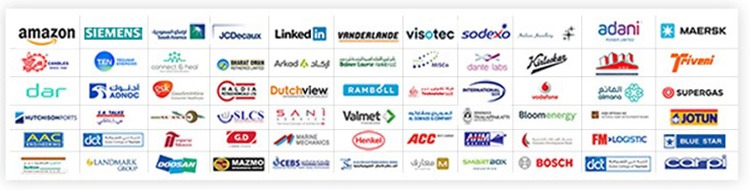
We are very fortunate to work with these amazing partners
Green World Group is passionate about delivering innovative solutions for the most complex health and safety business challenges. We know safety is not a destination, rather it is a journey. Hence we support our clients in building healthier and safer workplaces through various courses such as Nebosh, IOSH, ISO Lead Auditor, IEMA, and more.
Green World Group is passionate about delivering innovative solutions for the most complex health and safety business challenges. We know safety is not a destination, rather it is a journey. Hence we support our clients in building healthier and safer workplaces through various courses such as Nebosh, IOSH, ISO Lead Auditor, IEMA, and more.

Visit Our Corporate Training
Enhance your workforce’s abilities with our customized corporate training solutions, which are tailored to your organization’s unique requirements and goals.

Visit Our Consultancy Service
Our consulting services will improve your business. Through specialized solutions and actionable advice, you can achieve long-term success. Get started with us today.
Considering the challenges virtual training has, Mr. Varun really excelled at keeping everyone engaged, without causing fatigue. This class was still effective and very informative. Trainer was excellent, well informed, engaging, patient, and even funny at times.

Pradeep Mohan
Manager – IHM and Consultancy Division
Green world have shown absolute professionalism in providing end-to-end solution by providing qualified HSE manpower for our shutdown and maintenance projects and ensured that business continuity is maintained in the most critical time. A delight to work with such a wonderful team. All the very best.
Shamrose Yaqoob
EHS Specialist – SIEMENS LLC, Dubai, UAE
It is always a pleasure for Vanderlande to work and get associated with Green World Group. The team is extremely supportive and has always catered to all the training requirements of Vanderlande. Green World Group is very reliable and ensures to provide excellent quality of trainings with highly qualified trainers. We are truly happy to be associated with GWG.
Sheetal Gaur
Sr. Lead- Learning and Development, Team HR Vanderlande
Our Bespoke Courses

Health & Safety for Managers
Ensuring the safety and well-being of employees, as well as establishing a secure work environment.

General Workplace Safety
The General Workplace Safety Training provides a foundational framework for maintaining safe.

Accident Incident Investigation
Workplaces are exposed to accidents and incidents every day, no matter the type and size of the industry.

Induction Safety
Induction Safety Training serves as the foundation for ensuring the safety, well-being,seamless.

Stress Management
The Stress Management Training offers practical strategies for navigating stress in today’s fast-paced.

Lone Working
Embarking on the journey of Lone Working involves distinct responsibilities and challenges that require.

Risk Assessor Training
The Risk Assessor Training program is designed to empower individuals with the expertise

Mental Health Awareness
Mental Health Awareness course involves covering various topics to provide participants

Personnel Protective Equipment Training
PPE means to stand for Personal Protective Equipment. Typically, PPE is anything that the workers

Risk Assessment Awareness
Risk assessment is all about a systematic process that involves identifying potential hazards

Asbestos Safety
Asbestos which is huge hazardous material can widely noticed in buildings constructed.

COSHH Awareness
Several types of hazards are detected in the workplaces of numerous organizations major.

Defensive Driving Safety
Defensive driving courses provide a multifaceted and highly effective approach to workplace safety.

DSE (Display Screen Equipment) Assessor Awareness
This online training course Display Screen Equipment.

Manual Handling Awareness
All those activities which involve efforts moving, transporting, carrying, pushing, pulling, moving.

Office Safety & Ergonomics
This Office Safety & Ergonomics Training is a comprehensive course designed to ensure.

Working at Height Safety
Employees who perform their work above ground level need Work Our specialized at height Training.

Working in Confined Space Training
Safety is paramount employees who is actively engaged in confined space operations Our training.

Lock Out / Tag Out
Lockout Tagout Safety training provides essential knowledge for employees who need undertake.

Hot Works Safety
Engaging in hot work operations, including welding, cutting, soldering, and any tasks involving.

Welding Safety
It is very important to consider safety as the major priority while involved in welding and cutting.

Lifting & Rigging Safety
A chain’s strength is determined weakest link Rigging is frequently the weak link in crane operations.

Load Handling Equipment Safety
Load handling equipment safety awareness training is a crucial aspect of workplace safety, particularly.

Abrasive Wheel Awareness
The Abrasive Wheel Awareness training provides participants, with knowledge, about the dangers.

Substance Abuse at Work
This training provides a comprehensive overview of substance use misuse, including the legal responses.

Ladder Safety Awareness
The online training course on Ladder Safety Awareness aims increase understanding.

Noise Awareness
Workplace noise creates the risk of accidents, stress, hearing damage & affects peace of mind.

Silica Dust
A Silica Dust Awareness course is designed to educate individuals on the potential health risks.

Slip Trip Hazard Safety
Some of the major causes of injuries in workplace include slips, trips, and falls Depending severity.

Vibration Awareness
This Vibration Awareness online training course raises awareness of the dangers associated with vibration.

Work Equipment Awareness
This Work Equipment Awareness online training course raises awareness of the dangers associated.

Scaffolding Safety
A scaffolding safety course typically covers essential topics related to the safe assembly dismantling.

Foggy Weather Safety
A “Foggy Weather Safety” course is designed to educate individuals on how to navigate safely.

Gas Cutting Safety Awareness
Our apprenticeship courses go far beyond sales and now include leadership & management and IT/ Digital.

Working on Excavation
A “Working on Excavation” course is designed to provide individuals with the knowledge skills.

Permit to Work System
Permit To Work can be explained as formal system or standard that is applicable to essential.

Competent Rigger
A Competent Rigger Awareness training course is designed to educate individuals on the principles.

Warehouse Safety
The Warehouse Safety Training is where safety meets efficiency in the bustling world of warehousing.

Offshore Safety Awareness
Embark on the Offshore Safety Awareness Training, a fundamental program tailored to empower.

Forklift Safety
The Forklift Safety training module unravels the intricacies of forklift safety protocols, emphasizing.

Non-Powered Hand Tool Safety
The Non-Powered Hand Tool Safety Training is a comprehensive program designed to equip individuals.

Mobile Elevated Working Platform Safety
Mobile Elevated Working Platform (MEWP) Safety Training introduces a pivotal program crafted.

General Construction Safety
Safety is crucial in construction due to hazardous conditions that can lead to accidents, injuries.

Electrical Safety Awareness
This course best suits those people involved working in or around AC or DC voltages of 50 volts or more.

Machinery Safety
Machinery Safety Training is designed to provide participants, with an understanding of safety.

Competent Scaffolder
A Competent Scaffolder Awareness training course is designed to provide individuals with knowledge.

Energy Efficiency Awareness Management
Within this Energy Efficiency Awareness Training course, we explore the significance of energy.

Environmental Awareness and Sustainability
Environmental awareness and sustainability training aim to educate individuals and organizations.

Food Safety and Hygiene Training
Training on food safety and hygiene is a fundamental requirement in the food industry.

Food Hygiene HACCP
Food Hygiene HACCP training is a vital initiative aimed at guaranteeing the safety and quality.

Anti-Bribery Awareness
The Anti-Bribery Awareness training provides a grasp of the concerns surrounding bribery educating.

Anti-Money Laundering Awareness
Understanding Anti-Money Laundering (AML) is essential within global financial systems & regulatory.

Cyber Security Awareness
Cyber Security Awareness Training course is crucial for educating individuals within an organization.

Data Protection and GDPR Awareness
A Data Protection and GDPR Awareness Training course is designed to educate individuals.

Equality Diversity and Inclusion Awareness
Certainly! An Equality, Diversity, and Inclusion (EDI) Awareness Training course aims to promote.

Extremism and Radicalisation Awareness
An Extremism and Radicalization Awareness course aims to provide individuals with the knowledge.

Radiation Safety
Radiation safety, also known as radioactive safety,comprehensive set of best practices & safety.

Laser Safety
Laser Safety Training is an intricately designed program dedicated to equipping individuals with.

Lab Safety
Lab Safety Training stands as paramount for individuals engaged in scientific research.

Chemical Handling and Storage
This highly participative Chemicals Handling training course will make you aware of the best practices.

Legionella Awareness
If you are interested in gaining the proactive skills required to solve the problem, what it demands is profound knowledge about it.

Emergency and Disaster Management Program
An emergency situation can happen at any time. It can strike at any moment and this may include.

Moving & Handling People Awareness
A Moving & Handling People Awareness course.

Emergency Team Leader
Emergency Team Leader Training is designed to prepare individuals for leadership roles.

Spillage Management Training
He Spillage Management Training program aims to equip individuals with the knowledge and skills.

Infection Prevention and Control
Training, in Infection Prevention and Control (IPC) is crucial in healthcare and other settings.

Fire Extinguisher Awareness
Mitigating fire in its early stages saves your life, protects employees business operations from severe.

H2S Awareness
2S which stands for “hydrogen sulfide,” is a dangerous gas that appears as the by-product.

Fire Warden
Since fire can ruin businesses, every step needed to stop a fire is crucial and this includes.
FAQ
What exactly is a bespoke course?
A bespoke course, also known as customized or tailored training, is a learning program specifically designed to meet the unique needs and requirements of a particular organization or group of individuals. Unlike off-the-shelf training programs, bespoke courses are developed from scratch or adapted from existing materials to address specific challenges, goals, and skill gaps within an organization.
How are bespoke courses developed?
Bespoke courses are typically developed through a collaborative process between the training provider and the organization or client. This process begins with a thorough needs analysis to identify the specific learning objectives, audience demographics, existing knowledge base, and desired outcomes. Based on this analysis, the content, format, delivery method, and duration of the course are customized to align with the organization’s goals and the participants’ learning preferences.
What are the benefits of investing in bespoke training?
Bespoke training offers several key benefits, including:
- Targeted learning experiences tailored to address specific organizational challenges and goals.
- Increased relevance and applicability of training content, leading to higher engagement and retention.
- Enhanced efficiency by focusing on the most critical skills and knowledge areas.
- Improved performance and productivity as participants apply newly acquired skills directly to their roles.
- Greater flexibility to adapt to changes in the organization’s needs and industry trends over time.
How long does it take to develop a bespoke course?
The timeline for developing a bespoke course can vary depending on factors such as the complexity of the content, the availability of subject matter experts, and the scope of customization required. In general, the development process may take anywhere from a few weeks to several months, with key milestones including needs analysis, content design, development, review and feedback, and final delivery.
What types of organizations can benefit from bespoke training?
Bespoke training is suitable for organizations of all sizes and industries, particularly those with unique challenges, specialized skills requirements, or a need for highly tailored learning experiences. This includes businesses, government agencies, non-profit organizations, educational institutions, and more. Whether it’s enhancing technical skills, improving leadership capabilities, or addressing compliance requirements, bespoke training can be customized to meet the specific needs of virtually any organization.